

Collector's Notes
Five Questions to Ask Yourself Before Buying Your Second Painting

Buying your first painting is often an emotional decision.
You see something, respond to it immediately, and that’s enough. There’s very little hesitation. It either works, or it doesn’t.
The second can feel different.
With a first painting on the wall, something shifts. You’re no longer just choosing a piece you like. You’re thinking about how it sits with something you already own. Whether it fits. Whether it makes sense.
It can feel like there’s more to get right.
In reality, it’s usually the opposite.
What Did You Respond to the First Time?
It’s easy to start overthinking the second purchase. Looking for something that “goes” or something that feels like a natural extension.
A better place to start is with the first painting.
What was it that drew you in? Was it the colour? The subject? The atmosphere? Or something less obvious that you didn’t quite put into words at the time?
You don’t need to analyse it too heavily, but it’s worth noticing.
That instinct is usually more useful than any rule.
Does It Need to Match?
There’s often a quiet assumption that a second painting should match the first.
In practice, that can flatten a space.
Two works that are too similar can cancel each other out slightly. They sit neatly, but without much tension or interest.
A more natural approach is to let there be some difference. A shift in scale, a contrast in subject, even a change in palette.
What matters is that they feel comfortable together, not identical.
Where Will It Sit?
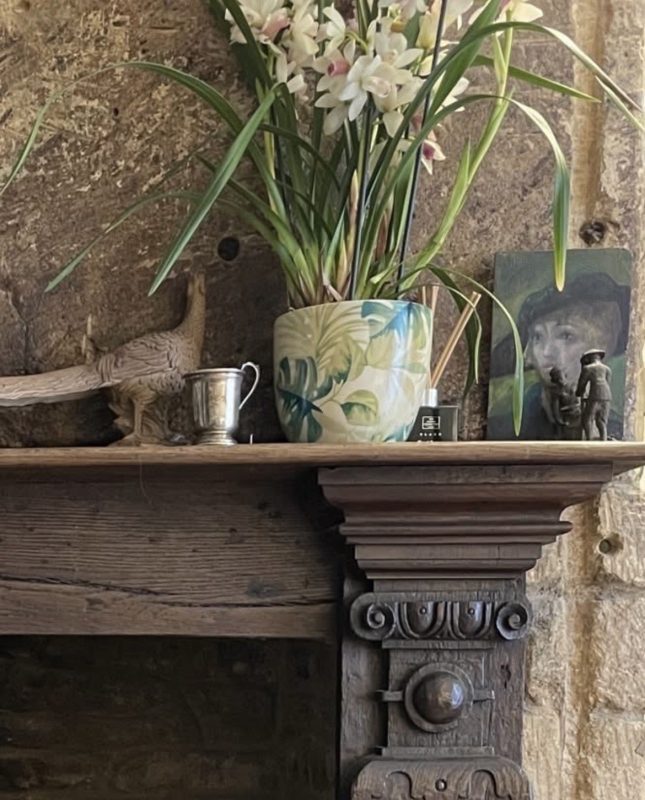
The second painting is often where placement becomes part of the decision.
Will it hang alongside the first? In the same room, or somewhere else entirely?
Sometimes it works to keep them together. Other times, separating them allows each piece to hold its own.
There isn’t a single answer, but it’s worth thinking about early on. Not as a constraint, but as context.
Are You Deciding Too Quickly?
With a first painting, speed often helps. It’s a clear yes or no.
With a second, taking a little more time can be useful.
You might find yourself returning to the same piece more than once. Looking at it, leaving it, then coming back again.
That’s usually a good sign.
There’s no real benefit in rushing. If something holds your attention over time, it tends to hold its place once it’s on the wall as well.
What Happens Next
A second painting rarely feels like a final step.
If anything, it opens things up. You start to see how pieces relate to one another. How a room begins to take shape. How your eye changes slightly as you look.
It becomes less about finding the “right” piece, and more about building something gradually.
That’s usually when collecting starts to feel more natural.
If you’re thinking about a second painting, it’s worth taking your time with it. Let your first choice guide you, but not limit you.
And if you’re unsure, we’re always happy to talk things through quietly. Simply click the mailbox below and send us a message!
